reviseabl (2015–2018)
position: CEO/Veritacit, Publisher/Fourth City Press, Managing Director/Idea Works
contributions to reviseabl: UX design, accounts executive, curriculum development, head of NLP/expert system research
reviseabl was a user-experience and core functionality update to a pre-existing automated essay submission, feedback, and grading platform developed in 2015 based on a earlier SAGrader.
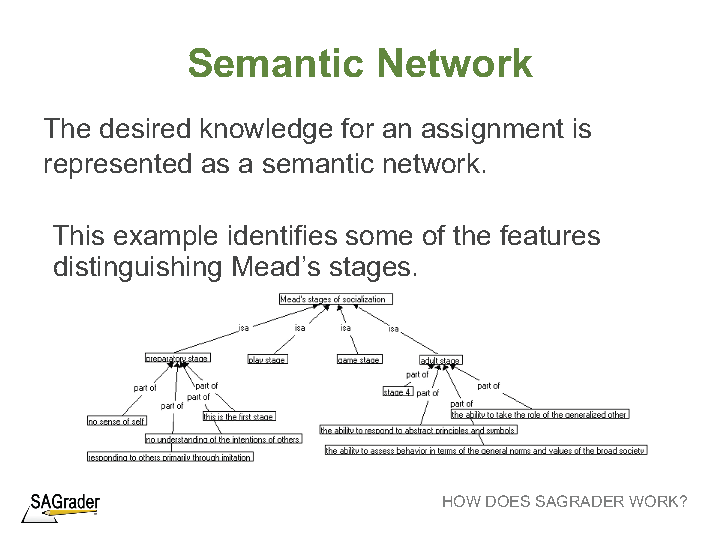
SAGrader and reviseabl were developed prior to the feasibility of LLMs as they exist today, the artificial intelligence is based on a fuzzy-logic, weighted expert system which automatically codes essays as structured data, triggering nodes a long the way.
In addition to modernizing the UX based on years of usability data, reviseabl also incorporated an updated semantic engine born of an attempt to reduce false negatives. False positives always get the limelight perhaps because they will often point to some catastrophic outcome, say a doctor putting a patient on chemotherapy for a swallowed rock mistaken for something more malignant; or, the error could result in the nuclear winter inevitable should Uncle Sam incorrectly determine that there is a nuclear bomb headed our way from Russia that, in fact, was never launched. Yes, those are bad.
Research that obsesses over false positives is always interesting to me, because as we know, there are true positives, data labeled as there we know are there. We also know there are true negatives, that is data labeled as not there we know are not there. But there are also false negatives, the data labeled not there we know are there. And if one looks through history, it is the latter category which tends to be the more insidious.
No one is going to get applause at a televised press conference with the mayor for saving the day from false negatives; but they are the most pernicious of errors which degrade the very nature of any system. Especially ontological ones. They could have catastrophic consequences, too, should a doctor not be able to localize a condition we know is killing his patient. More often than not, however, false negatives are less made-for-prime-time drama than they are a representation of a systemic failure or a flaw in the null hypothesis.
If you know anything about expert systems, you’ll know that although they are very reliable form of artificial intelligence, but, they are quite dumb and require a lot of work on the back end before they can work properly. Although the start-up costs for a subject or particular course were high and labor intensive, the system was flexible enough to accurately and consistently grade for years.
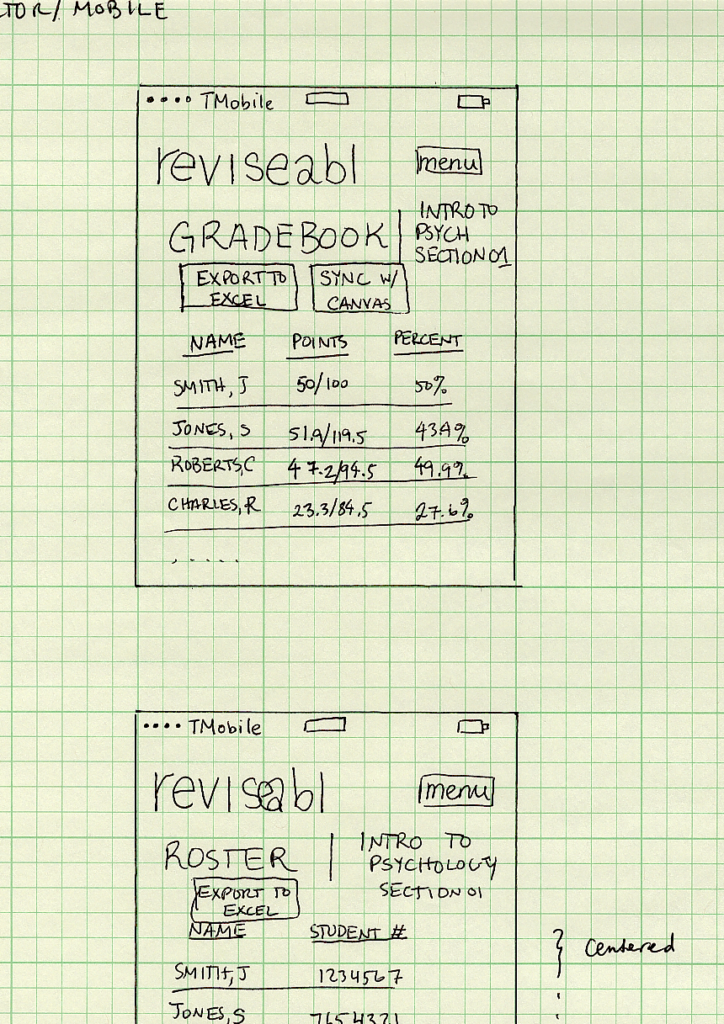
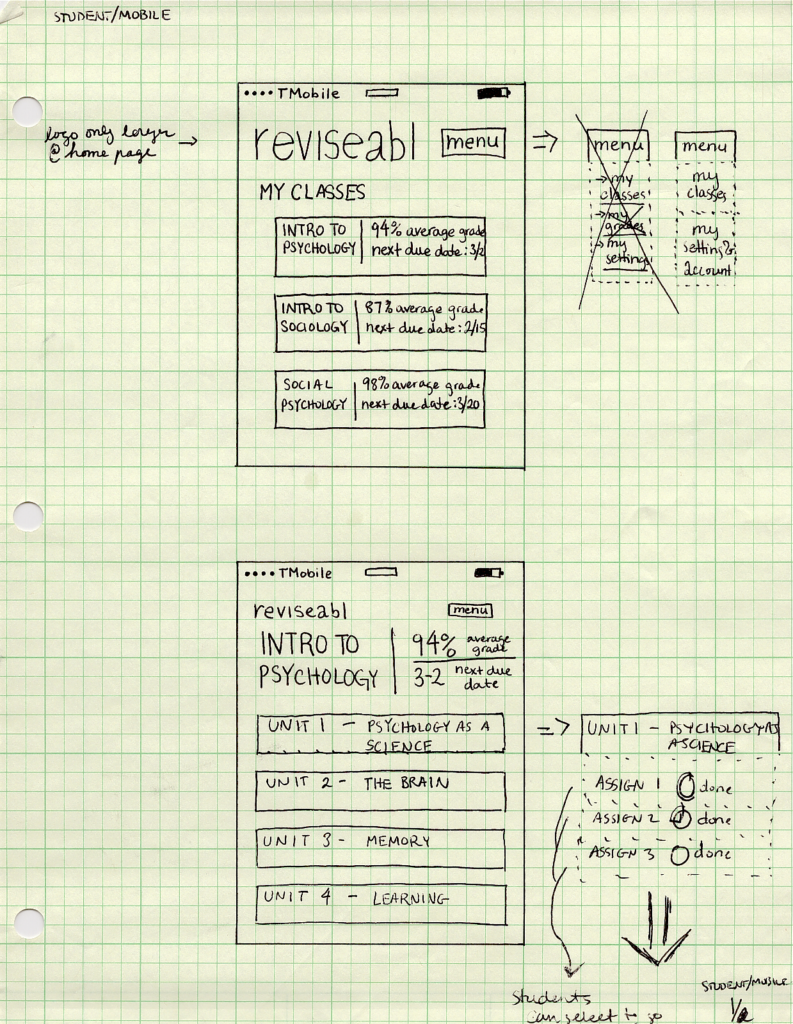
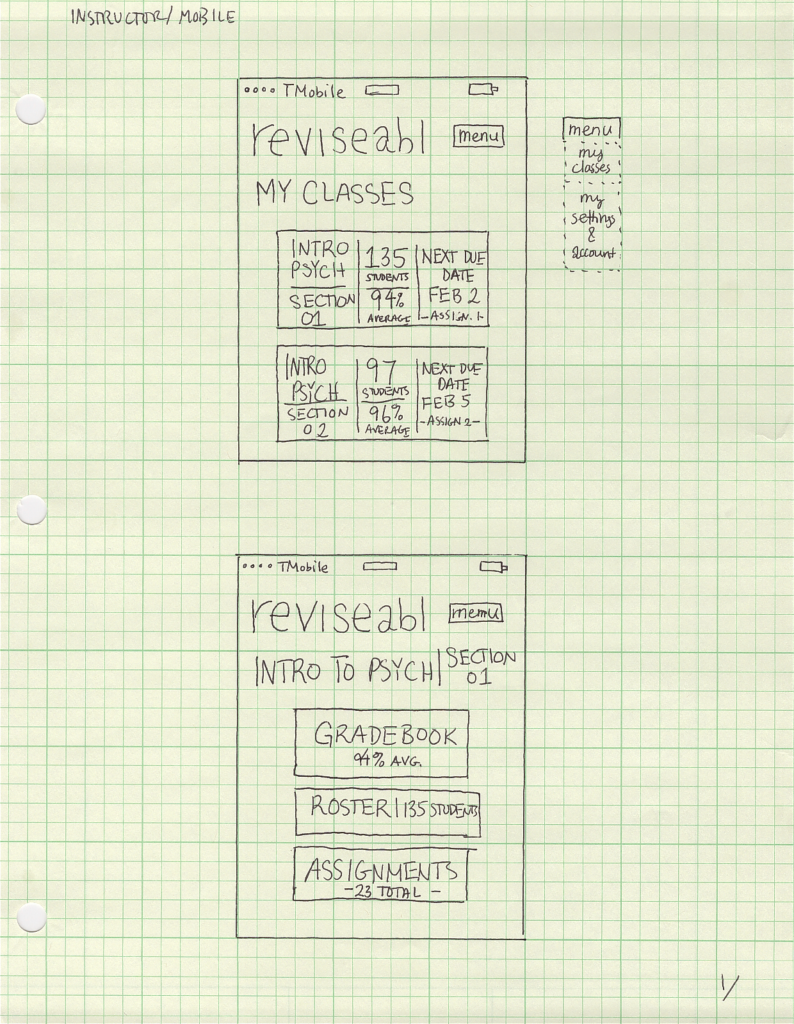
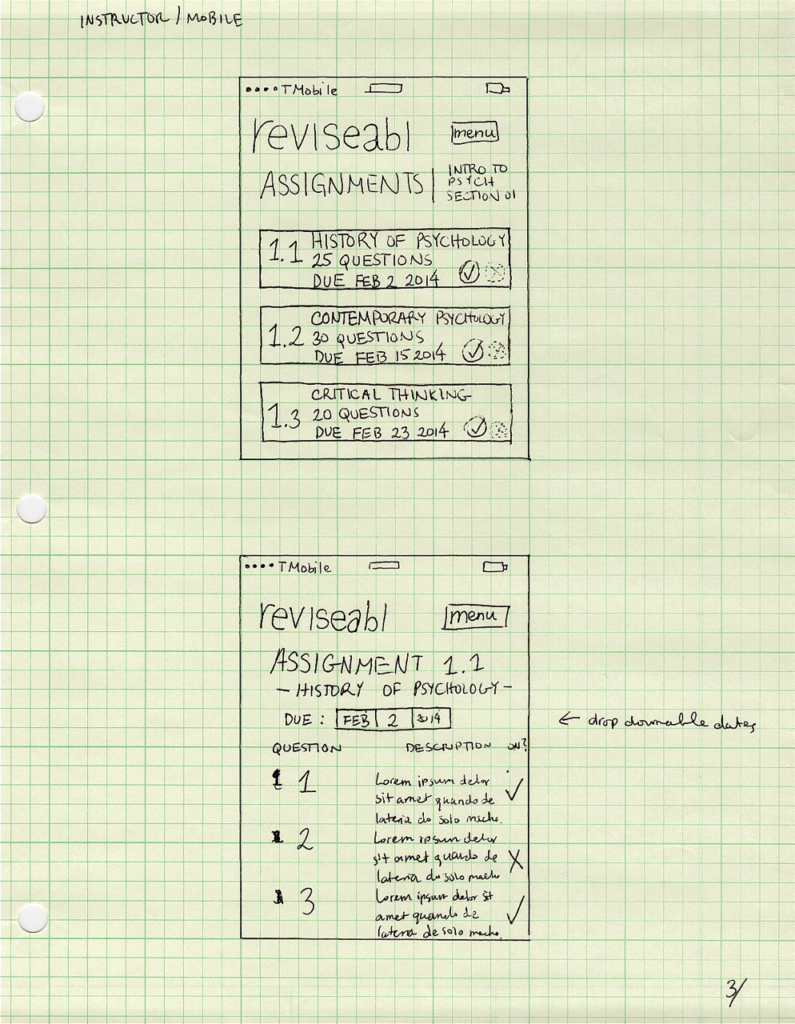
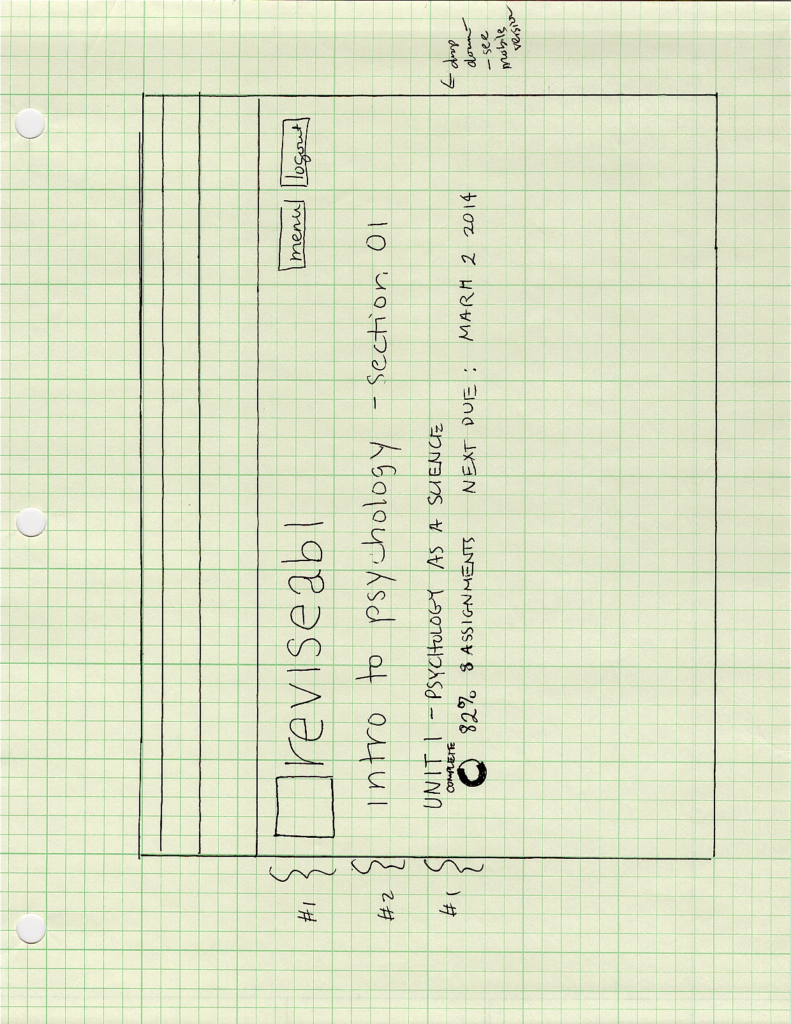
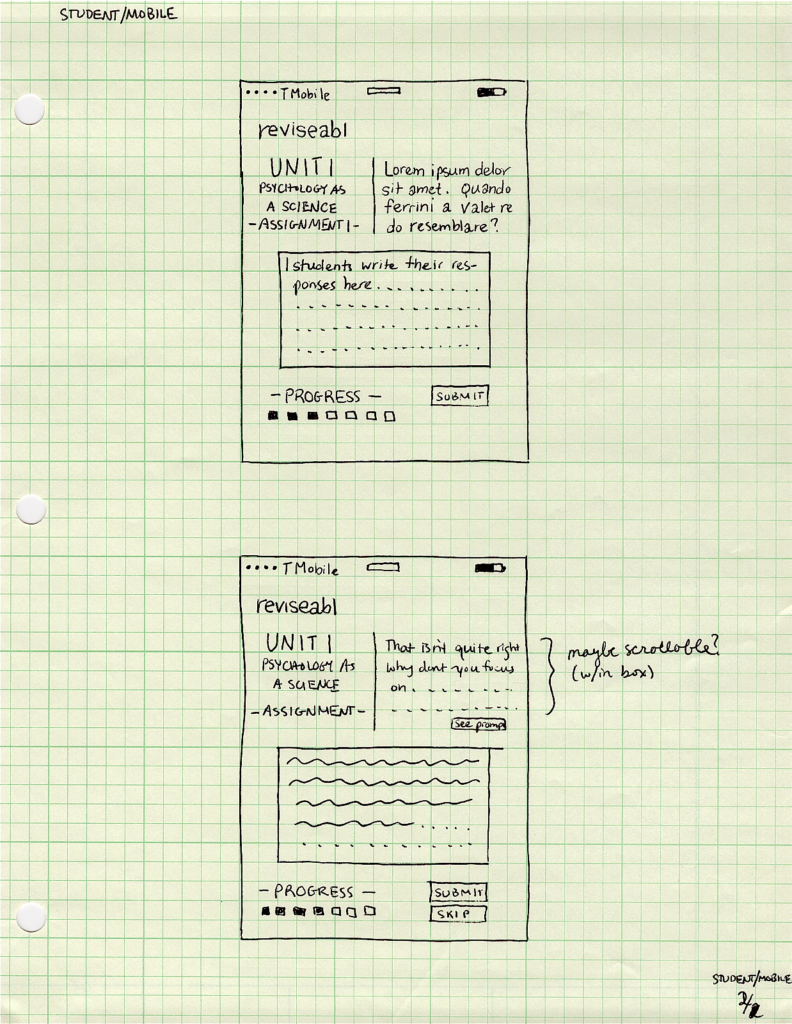
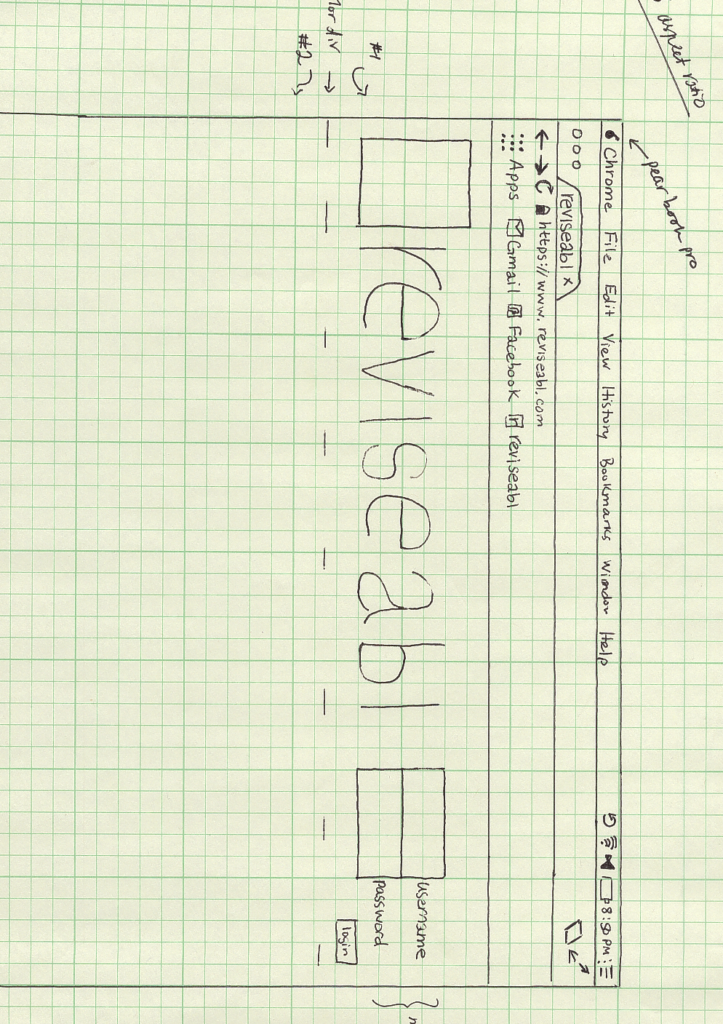
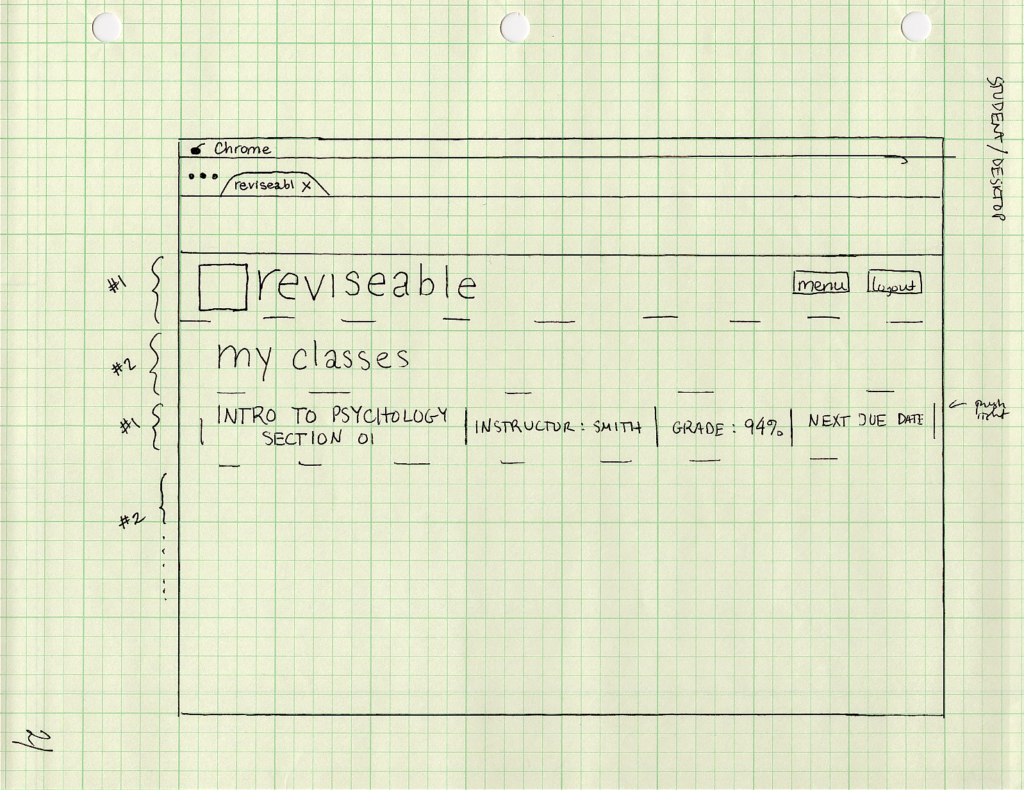
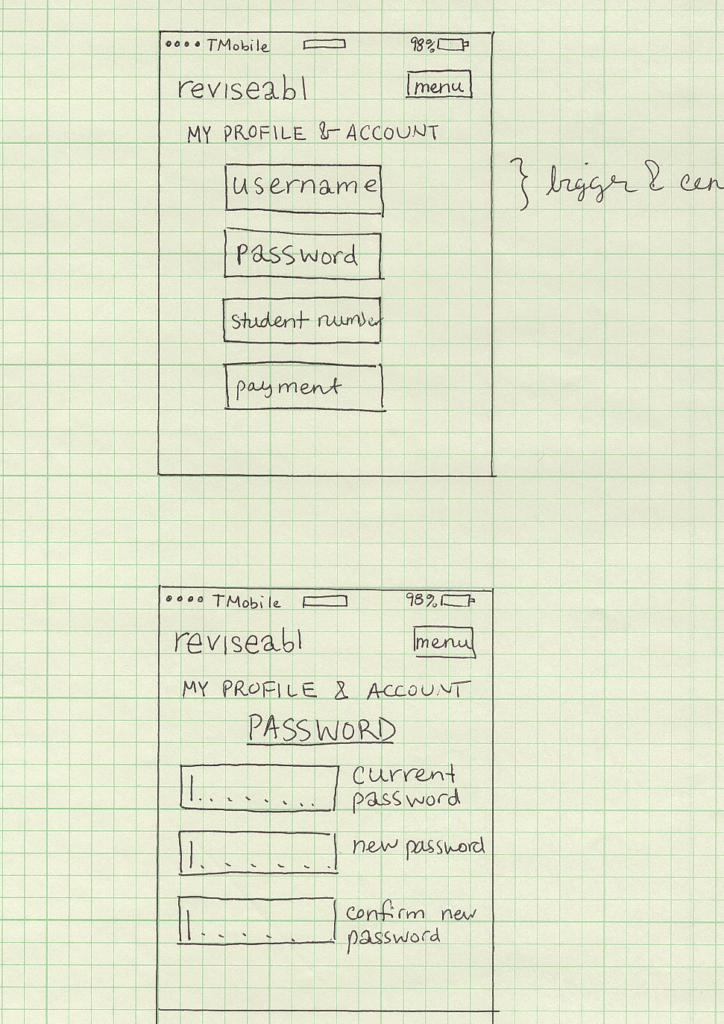
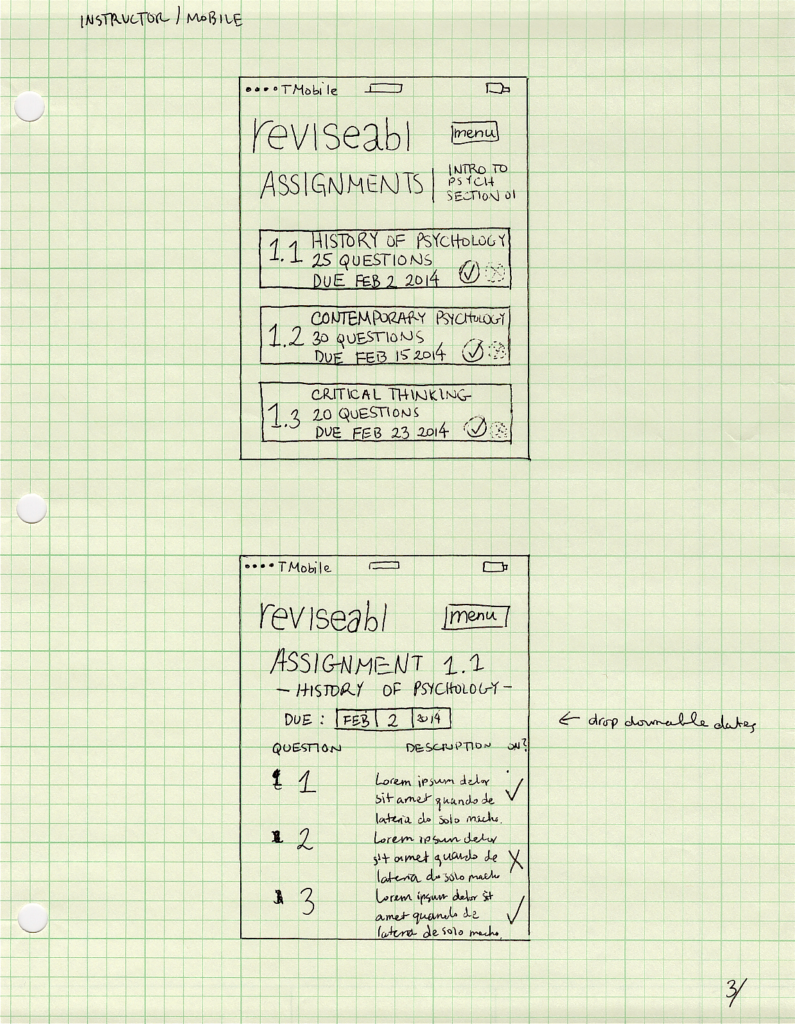
Here, you can see the sketches of the prototype before coding even began. I used these to specify CSS/wireframe schematics for the UX. Fully implemented in Ruby and Perl by our software development team through iterative lean dev practices. Also, two videos—raw footage that was turned into advertisements and demo spots—of me running a local copy of the Reviseabl alpha release showing student and instructor views.
Demo videos showing alpha prototypes for revisable, launched in 2015.
Videos above are © 2016 Veritacit, Inc. and its successors. All rights reserved.
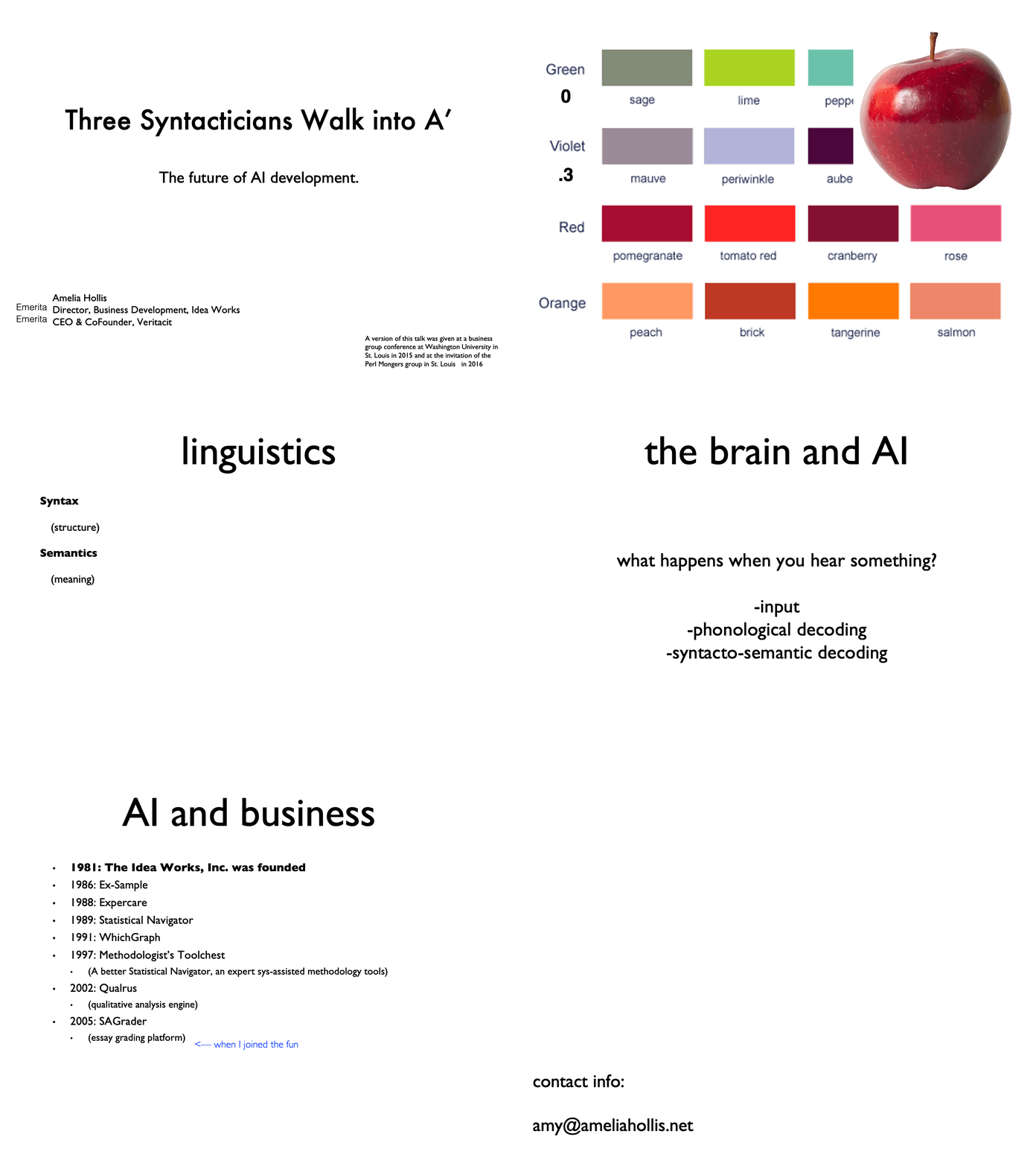
Three Syntacticians Walk into Ā: The Future of AI Development
what: lecture
where and when: conference/Washington University in St. Louis/2015 and guest of the St. Louis Perl Mongers/2016