

In 1979, the New York Times called my hometown tacky. Can you believe it? Puritans built a shining city on a hill. We built a tacky metropolis in a valley.
Growing up in Vegas, I wanted to be anywhere else until, one day, either the overly-chlorinated, slightly-irradiated tap water or an epiphany took hold of me: we’re not tacky, we’re authentic.
A Southern Nevada native, I was born and raised in Las Vegas. Another way to say that is I was born and raised within a hundred miles of where most nuclear weapons tests were performed in the continental United States.
I was not born to be tacky. But, I will become tacky after my own fashion.1 Well, not so much my fashion, but, the fashion of the late 90s, early 2000s as interpreted by a nerdy, awkward kid growing up in Vegas who religiously went to Barnes & Nobel every week to pick up a copy of a certain magazine at which she so desperately wanted work when she grew up. (Spoiler, she didn’t.)2
Growing up, I had a hard time coming to terms with growing up in a town associated with gambling, hangovers, and everything flashy and tacky. So flashy, so tacky, I fell in love with a form of punctuation I now avoid due to it become the favorite of an unnamed generative artificial intelligence.
The New York Times described its tackiness as being on “a whole new level” in 1979. Woah, ma’am. Ma’am. So, you’re telling me that Las Vegas—the home of 99¢ shrimp cocktail served in fake Swarovski crystal champagne flutes by women covered scantily in feather-based clothing—that place, is…tacky? Really? You have no idea lady.
You don’t know tacky until you’re an eight-year-old about to see a movie in the late nineties in Vegas.
Picture it—
You’re going to the grocery store, but, right at the entrance is a miniature-casino composed of, oh say, perhaps five to ten slot machines in a row. Every one of them has a retiree stationed at its helm, ready for battle armed with a lit, filtered cigarette in one hand, an oxygen tank immediately in tow, and dogged determination to win.
After all, as the Bible says, “You have to play to win.” I’m sorry, not the Bible. But, if you win big, who’s going to question you?3 Bill Clinton’s ironic fiscal conservatism fueled by Regan-era voodoo economics birthed an army of octogenarians with too much cash and too many extra years with nothing to do but day drink, chain smoke, and play penny slots.
The smell of Elizabeth Taylor’s White Diamonds perfume, Parliament cigarettes, and ointments is viscous, as if it were a thick soup. It feels comforting, while unsettling at the same time.

It smells like you’re about to get a big hug when staying home from school, and you hear a song on the radio with your grandma, a song which seems to say: but it’s a dry heat…Barbara—stop complaining! What? You miss the cold back in Jersey? I sure as hell don’t. Now, who do I have to bribe to get a drink around here.
But, It’s A Dry Heat
“What, do you miss the cold back in Jersey?”
Nope. That’s Barbara (you can call her Babs) in her sequin-adorned, intricate-pattern garb from J.C. Penney’s in 1984. If you’re Bab’s grandkid reading this, why don’t you visit more often, huh?
Babs is our tacky Vegas grandma. She’s not going to leave any money for the grandkids when she passes, but she will leave a lot of players’ cards. In lieu of flowers, send a nice dry vermouth. Mourn not, little ones, for she had fun.
That’s not tacky. That’s just fun! We love Babs. We love having fun! (I don’t, but I have it on good authority that some people do.) The real tacky is not the mere having of the sequins or false nails, hair, lip fillers, architecture, impersonators, and the whatnot. What’s tacky is the contrast.
When the neon of the most outlandish exaggerations sits comes right up against the beige, mundane lives living in a beige desert is when it feels tacky. But, how else should it feel? No large number of people can naturally live in the Mojave desert.

It’s the president of the parent-teacher association in four-inch heels, leopard print in two matching styles, of course the Dolce and Gabbana sunglasses and maybe a Balenciaga and long, well-manicured nails.
Someone from somewhere with folks as greedy and impolite as the rats infesting their subway tunnels might hazard a guess that our PTA president does something unsavory for work. After the initial shock finding out that she’s actually a CPA/MBA, the commentary about tackiness are soon to follow just as soon as they’re out of earshot.
It’s the banality of everyday life worn just like Babs wears her sequin sweater drinking gin at ten in the morning on a Saturday, but wearing sensible shoes at the same time.
/
Tacky is what jealous people say when they see a city filled with good people living in a way that feels right to them, and only them. That’s far more real than anything not considered tacky by everyone else. Tackiness, like it or not, is authenticity. The real world can be ugly. In fact, the real world is often defined by things which fail to match, blend, or even work well together. Reality is a mess, the proverbial dumpster fire. But it’s real.
Vegas acknowledges the futility of superficial conformity which only reifies some false narrative which everyone else pretends is just how things are. Babs, our collectibe Vegas grandma, might say, “listen, kid, people will think and say whatever about you they were going to in the first place, and there’s nothing you can do about it. So, do what you want.”
Now, will someone please get Babs a fresh drink? She’s put far too much of her pension into her machine to even think of having a glass less than half-full.
Things are whatever we as humans choose them to be, because most tacky things are ultimately decided so by the people who have little else to do but to tell people what to do. They say, “no white after Labor Day!” and “No sequins on sweaters!” and also “no three-quarters scale Eiffel Tower replicas!” and even, “no martinis at ten o’clock in the morning.”
Oscar Goodman, the former mayor and mob lawyer extraordinaire, and I, respectfully disagree.
Maybe your shirt matches your bag too much, or not enough, in New York. Come unto us, child, and we will sew you a coat of many colors, if you’re a good person and stay out of too much trouble.
So yes, we’re tacky, but at least we’re real. But, not in the way The Times tried to portray us.
The Gray Lady would do well to apologize to Lady Luck for the error.
On behalf of all the real, tacky people out there, I await a sincere apology from The Times, thank you.
Even as a Child, in Vegas the house Always Wins.
And by “house,” which by that I mean, my mother always wins.
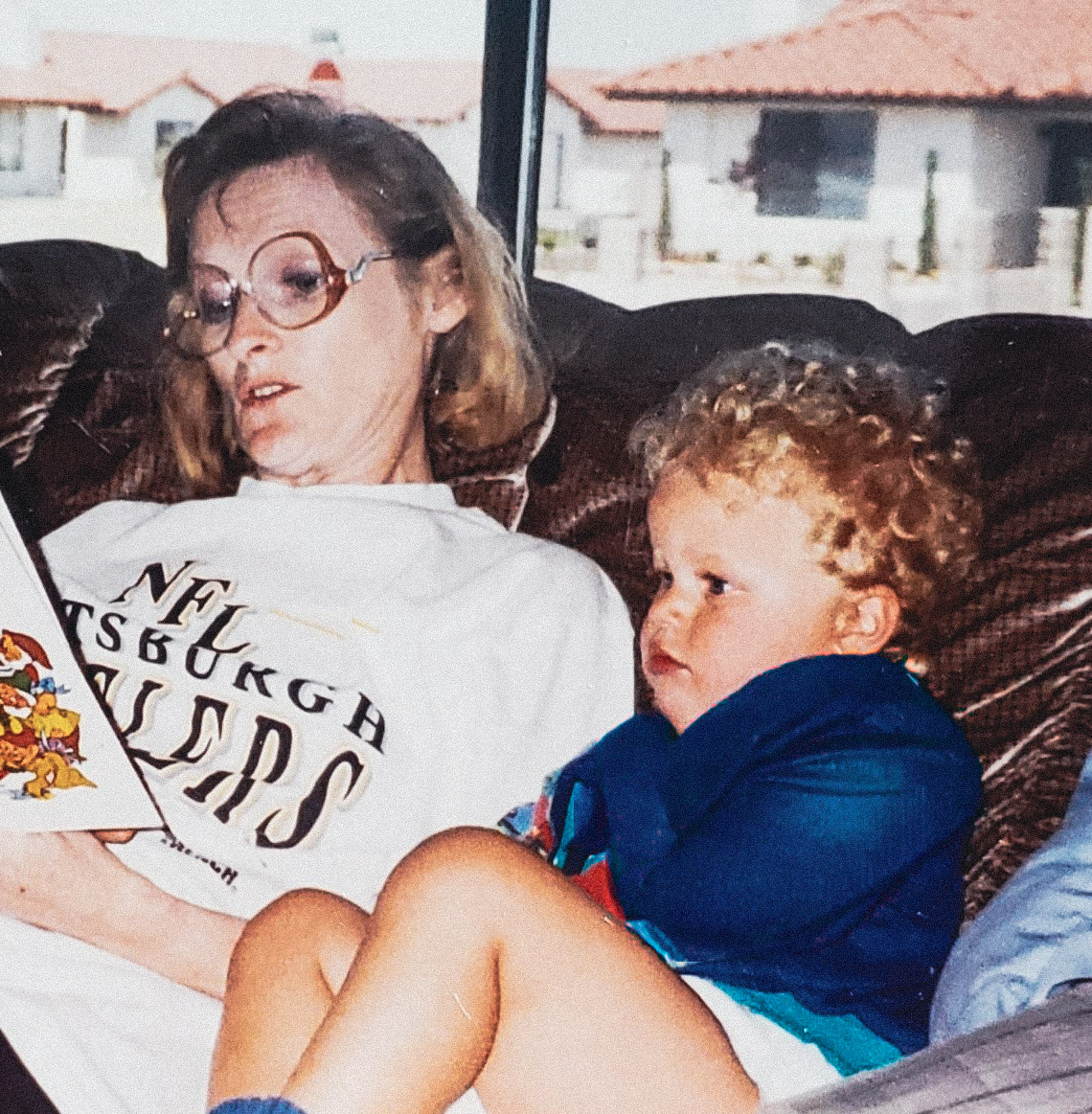
I have not tried to beat my mother at Scrabble. I have two sisters who both reached adulthood before I was born, and one thing I learned by observation was to avoid engaging my mom in any form competition. Not because she’s a sore loser. Because she’s a sore winner. I’m sorry we all didn’t take Latin in high school, mother, I’m seven.
One of the best read and most intelligent people I’ve ever met, my mother, a bartender born again as a teacher, would drag me to trainings and staff development days growing up. She read so much that our bookshelves were insufficient to hold her ever-problematic penchant for the likes of Stephen King and Joan Didion.
My father, a Pitt business school dropout turned bartender, read the entirety of the Las Vegas Review-Journal every day to me until I could talk. I never got to ask him why, but science would say that a large part of my reading and writing capacity was built from that experience, even though I mostly just chewed on the newsprint.
In high school, I was a nerd and did yearbook, was the editor-in-chief of the school newspaper, did speech and debate, and anything else that could give me somewhat of a social life, but also an excuse to be introverted if I wanted. Oh, and a perpetual excuse to not be in the class I was supposed to.
(I also come from a lineage that doesn’t idle well. We’ve been defining hustle culture in North America for the past few hundred years or so.)





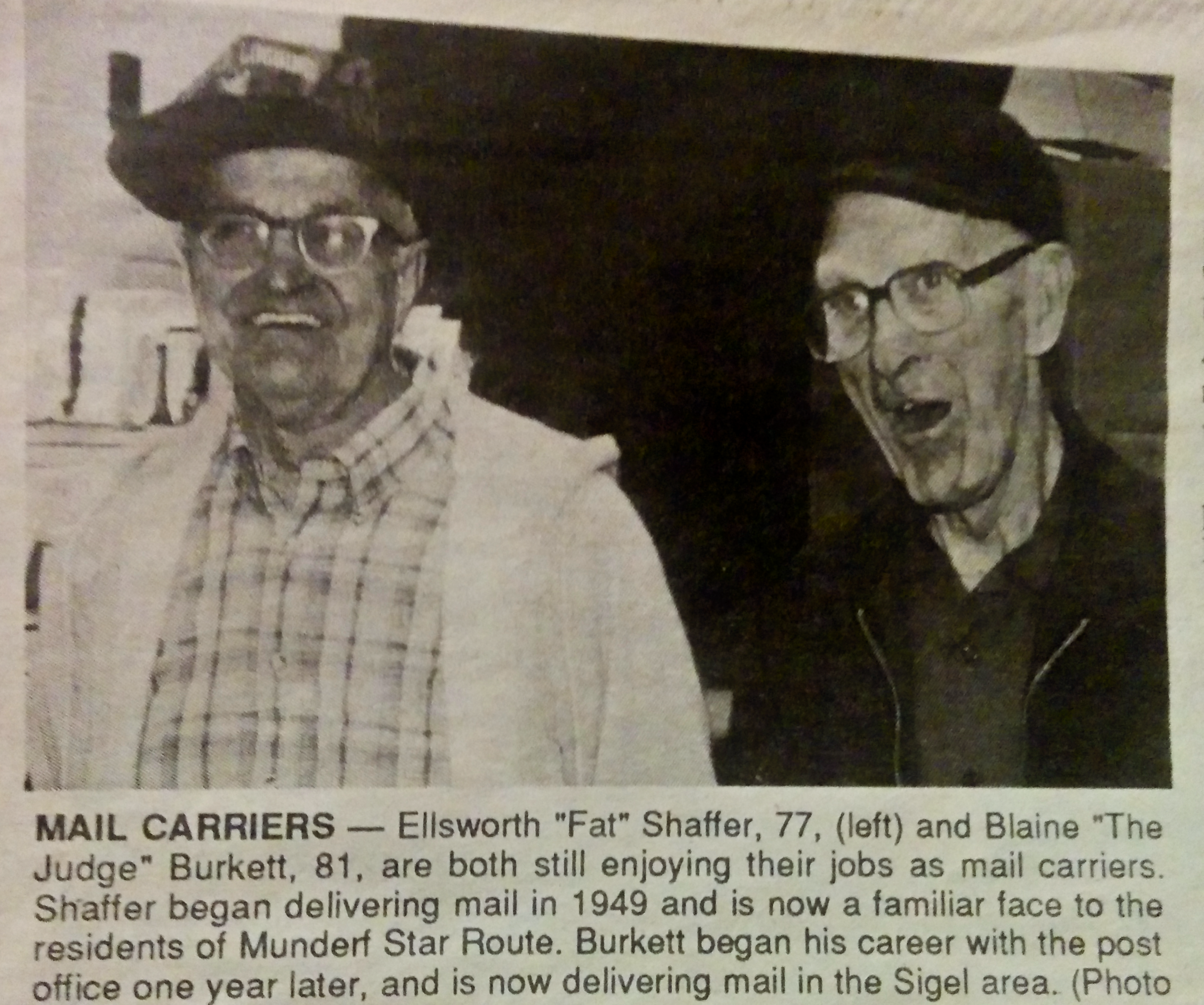
To my senior-year math teacher who signed my yearbook “It was nice having you in class, when you actually showed up. Good luck,” I see your point. I probably should have gone to class more often or I wouldn’t have struggled so much when I got into AI later.
—Amelia Hollis
At the time, there was a slight stigma about Nevada higher education, which looking back, I feel was wholly undeserved. Upon the advice of one of the most influential people in my life, my late AP government teacher, I decided to go out of state for college.
She was born and raised in Oklahoma, whose politics none of us could even hazard a guess at. She described the apparently massive benefits of a change in perspective when she went to Texas for college, even though it’s just one state away.
Having spent my senior year as an intern at the Review-Journal, I was excited to attend the famous University of Missouri School of Journalism.
In my first semester, having previously been a minor hot-shot for having written a small and retrospectively vague exposé on high school censorship in the Clark County School District, I jumped right into student publications in college.
I hit a brick wall after I wrote a similarly aggressive piece about the quagmire that was the construction surrounding the VA hospital, which was jamming up the roadways around the university teaching hospital, and only level one trauma center in central Missouri, all while shamefully leaving American veterans without the care they deserved or delaying it. I figured that the person in charge of the construction had a Marie Antoinette kind of attitude, which he did, and I had no duty to hide it by editing around his callous phrasing and word choice. And, you could hear it in his direct, verbatim quotes, and I couldn’t have liked it more.
As a journalist, it’s not my job to tell you how to think about someone or something. But, I’m not going to complain when the actions or words of a subject in an article make themselves look bad, leading to positive civic change.
None the less, I encountered the most detestable practice I had yet not heard of until my editor required it of me. Quote checking, or giving your source a chance to rewrite history is a story for another day, but it’s the reason I quit doing journalism the first time.
Fear and Loathing in St. Louis
The virtue of humility and humidity

While in college, I started working for a company that was developing artificial intelligence before the advent of parallel processing aided by GPUs like they are today. Instead of large language models, the company’s AI was expert system-based, which I still believe will be the route to a genuine general artificial intelligence.
For all intents and purposes, I was working on what you can think of as ChatGPT’s great aunt. Much like a great aunt, complex expert systems require so much work to get going, but once you do, they work. Just like baking cookies with great aunt Josephine—not mine, yours—it takes her a minute to get out of the rocking chair. A long minute. There even might be a swear word said or two out of frustration. But, once she gets back inside she’s going to work you and everyone else into the ground baking cookies. You better be careful, okay? It’s a family recipe and every cookie needs to be the same size. Be efficient.
Wow, your—yes, your the reader—great aunt Josephine sounds interesting. Well, that’s basically an expert system.
Initially, I worked on a project to improve sentiment analysis and continued working at the company and, after graduating college, became head of research, then managing director.

Limited by the technology at the time, a project I started and continued for around three years was to be an AI which combined the best of both the LLM and expert system worlds. Although largely debunked and generally considered goofy, Sigmund Freud’s conception of id and ego provided the framework. The structure and order of an expert system (the ego), and the recursive, fuzzy modeling and learning by a large language model (the id), properly configured, would produce an AI that should be able to teach itself while grounded within an order—not just an ontology, but an entire Weltanschauung6 we all impose on ourselves and each other. (I Kant believe it’s not a ding an sich!)
I suck at coding, though, which is always my limitation. I’ve thought about picking up the project again, and if you’re reading and are interested, feel free to contact me. I have no problem working with other people; however, this is a little bit of an “out there” project, so fair warning. Maybe I’ll write a paper and submit it somewhere instead; who knows?
Eventually, we established a publishing division to produce textbooks to go along with our AI-powered essay-grading software. My background in publications and journalism was particularly helpful and a very fulfilling part of my career.
Teaching Into the Void
The kids* are not alright.
(Some kids are OK. Most aren’t.)

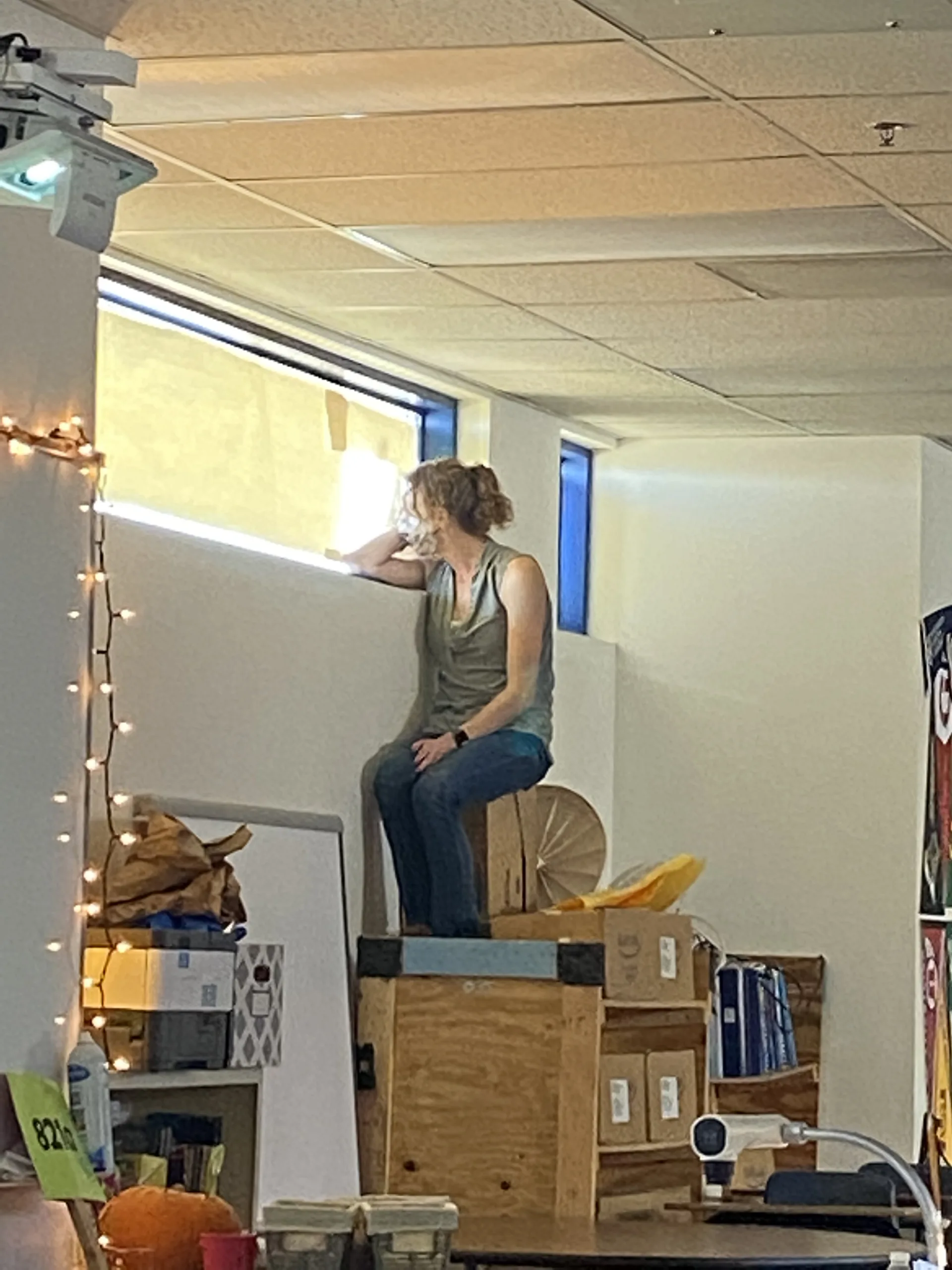

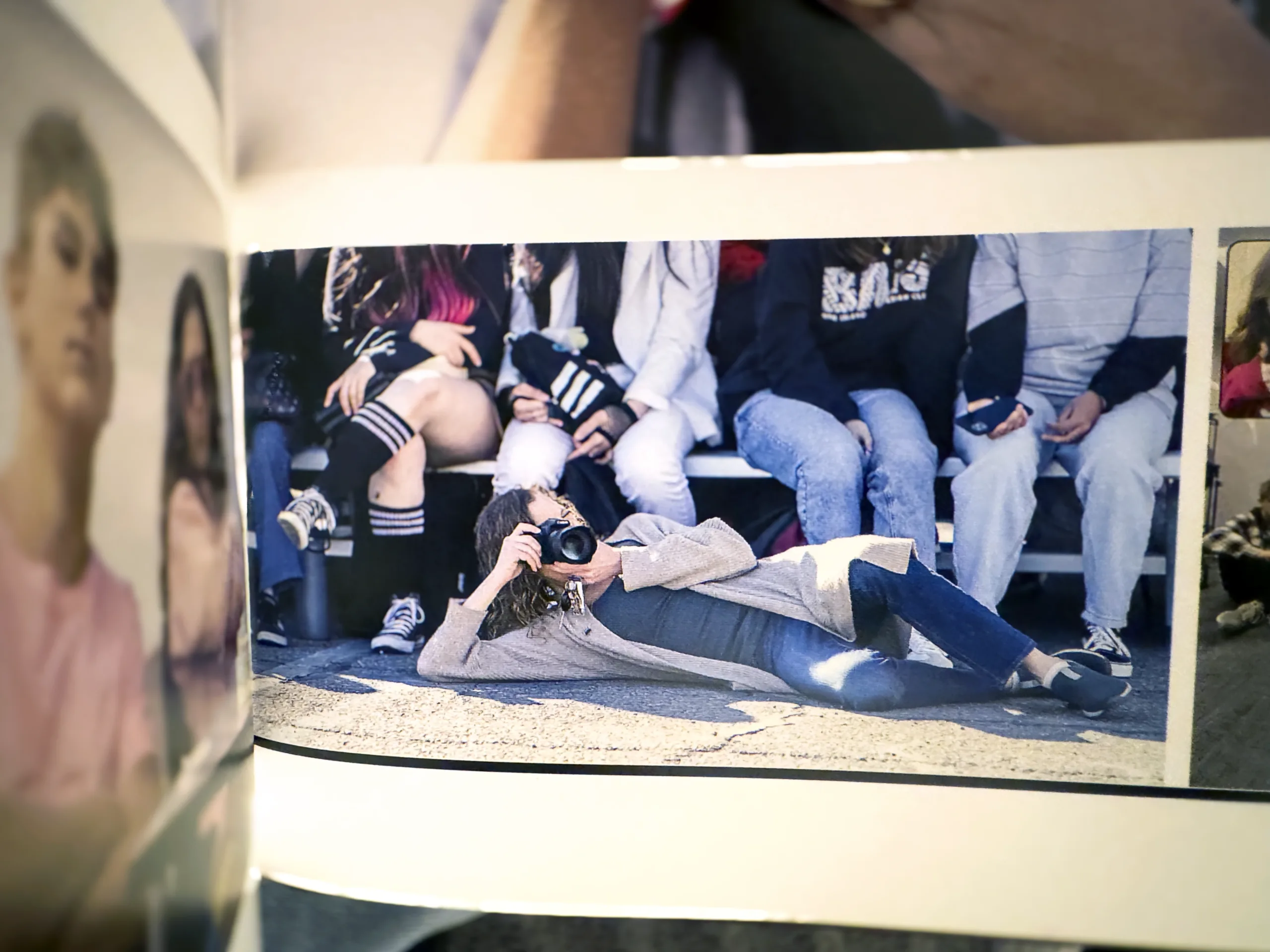




































In the end, I left to pursue teaching due to corporate shenanigans and the kind of burnout that comes with working as many hours a day as one physically can. My mother being an educator had always left me with a desire to try so I gave it a shot.
Besides, with how deeply broken our education system is, I wanted to explore firsthand the reasons why. Although the below is based on opinion and anecdotal evidence, you can make up your own mind if it resonates with you.
Students are passed to the next grade level with little review, thought, oversight, or consideration. In my current position, students read approximately five grade levels below their actual grade level. That makes them effectively illiterate, but I am not allowed to teach the basics of reading. Most school districts force teachers to teach at grade level, no matter what, even if a student is several grade levels behind, and forbid secondary teachers from teaching phonics or other things that students literally do not know how to do.
Teachers leave schools constantly because of toxic work environments brought on by administration who themselves have toxic work environments because of top level leadership, looking for quick fixes and who care about appearance over substance.
The fact that the modern English teacher is no longer a teacher of logic, reason, and rhetoric means that there is no one teaching students these concepts, which are the fundamental building blocks of critical thinking. Despite large public interest in improving critical thinking skills, we still don’t teach kids how to do it.
In days gone by, English teachers were responsible for teaching actual logic. You know, syllogisms, contradictions, paradox, fallacies, and Bab—(your remember her, how could you forget)?—Bab’s favorite post hoc, ergo protpter hoc.
Not only is it not included in the standards prescribed by the Common Core, which has become the basis of most state’s systems of education, the teachers who used to teach logic were often not taught logic themselves. No wonder the nation seems to be rationing critical thinking as if it were milk during the second World War.
Among the reasons the system has failed is the fact that the Western literary canon shouldn’t have been thrown out. It should have been expanded. In the effort to be inclusive, many districts over-corrected to the point that at least two generations have completely lost their bearings. The Western canon isn’t just literature by “old dead white guys.”
It’s math, science, music, and philosophy. It’s the very concept of democracy and liberty and due process.
But, out of a well-meaning sense of something-or-other, they threw out the republic with the bathwater.
Instead, they should have kept Aristotle, Plato, Shakespeare, Spinoza, Hegel, Locke and added Toni Morrison, Ida B. Wells, Frederick Douglass, Gabriel Garcia Marquez, Jorge Luis Borges, among others, to it.
The canon was never meant to be an ivory tower that never changes. If one unthinkingly gets rid of the canon, one is also getting rid of the origins of the very ideas that are celebrated most by those same people. That includes ideas like democracy and freedom, the equality of mankind, religious plurality, agape (brotherly or neighborly love), discourse and conversation, and good-naturèd competition. Again, we wonder why the support for those was as if it were rationed. No wonder. Kids aren’t going to believe in those ideals that we clung to for so long if they’re never exposed to them in the first place.
I have much more work to do in thinking through these issues. Eventually, the blog will be where I go into more detail. For now, I’m going to enjoy this shrimp cocktail, which is definitely not radioactive. Just kidding. I hate shrimp cocktail.
Notes
Notes and credits. As a rambler want to tangentiality, good luck finding whatever it is.
- I remind myself, oddly enough, of another pretentious person who perhaps was born so spiritually old, as I was, that we had any other choice than to be so pretentious you can almost taste it. Of course, that is Henry David Thoreau, who, up on spending a night in jail for failing to pay a tax during the Mexican-American War over his refusal to materially support what he considered an unjust war. But, he makes a very good point, when he said: “The State never intentionally confronts a man’s sense, intellectual or moral, but only his body, his senses. It is not armed with superior wit or honesty, but with superior physical strength. I was not born to be forced. I will breathe after my own fashion. Let us see who is the strongest.” If we compromise on one moral, we compromise them all. Perhaps the Transcendentalists were on to something. No, gosh no. I can’t stand them. Ugh. Drivel. But, good point. ↩︎
- Spoiler addendum: a college classmate did, however, go on to work for that magazine. The worst part, and perhaps most pathetic, is that they have no idea how much I pined after something like that. And, in a further act of shame brought upon me for some bad karma I earned, not that they don’t deserve it (because they do). But, they still work there! And have climbed the ladder to a senior position. I cannot express my disappointment about this enough. Woe, lamenations, pity unto me, what have I done? For shame, I am forsook.) ↩︎
- “We all want to make fun of our bosses. However, what we forget in these aspirations is that the enjoyment, or jouissance, associated with the jackpot is highly ambiguous. For is this really possible without becoming inhuman, without being uncoupled from the social context? In this way, Svenska Spel might well be understood as using the Lotto advertisement to raise a finger of warning to its customers, implying that the larger the win, the more nauseating the enjoyment.” See, Lennerfors and Sköld, 2009, “The Metastases of Winning: Svenska Spel Advertisements through the Lens of a Žižeko–Lacanian Critique of Ideology.” Culture and Organization, vol. 15 (no. 3–4): 347–60. https://doi:10.1080/14759550903250783. ↩︎
- From the Historic Building Survey Photograph Collection (PH-00345). Women’s Hospital, 2025 East Sahara Avenue, Las Vegas, Nevada. ↩︎
- pho007846. William N. Thompson Photographic Slide Collection. PH-00327. Special Collections and Archives, University Libraries, University of Nevada, Las Vegas. Las Vegas, Nevada. http://n2t.net/ark:/62930/d1th8bn3m. ↩︎
- See Kant, Kritik der Urteilskraft, (Felix von Meiner Verlag, [1790]1922): p. 99 “Denn nur durch dieses und dessen Idee eines Noumenons, welches selbst keine Anschauung verstattet, aber doch der Weltanschauung, als bloßer Erscheinung, zum Substrat untergelegt wird, wird das Unendliche der Sinnenwelt in der reinen intellektuellen Größenschätzung 93 unter einem Begriffe ganz zusammengefaßt, obzwar es in der mathematischen durch Zahlbegriffe nie ganz gedacht werden kann.” ↩︎